

Section 301 Tariffs: What Drayage Carriers Can Expect for the Upcoming Shopping Seasons
The latest round, a fresh set of Section 301 tariffs that landed on July 24, replaced the temporary Section 122
The latest round, a fresh set of Section 301 tariffs that landed on July 24, replaced the temporary Section 122

West Coast vs. East Coast: The Impact of the New Tariffs on Different Ports On July 24th, the Section 122
What is Point-to-Point Pricing? Point-to-point pricing assigns a rate to a specific origin-destination pair, rather

BlackRock has led a consortium to acquire an 80% stake in CK Hutchison Holdings’ global port operations for approximately $22.8 billion. The deal includes 43 ports across 23 countries, with a focus on Panama Ports Company, which operates the Balboa and Cristobal ports—key entrances to the Panama Canal on the Pacific and Atlantic sides (Reuters).
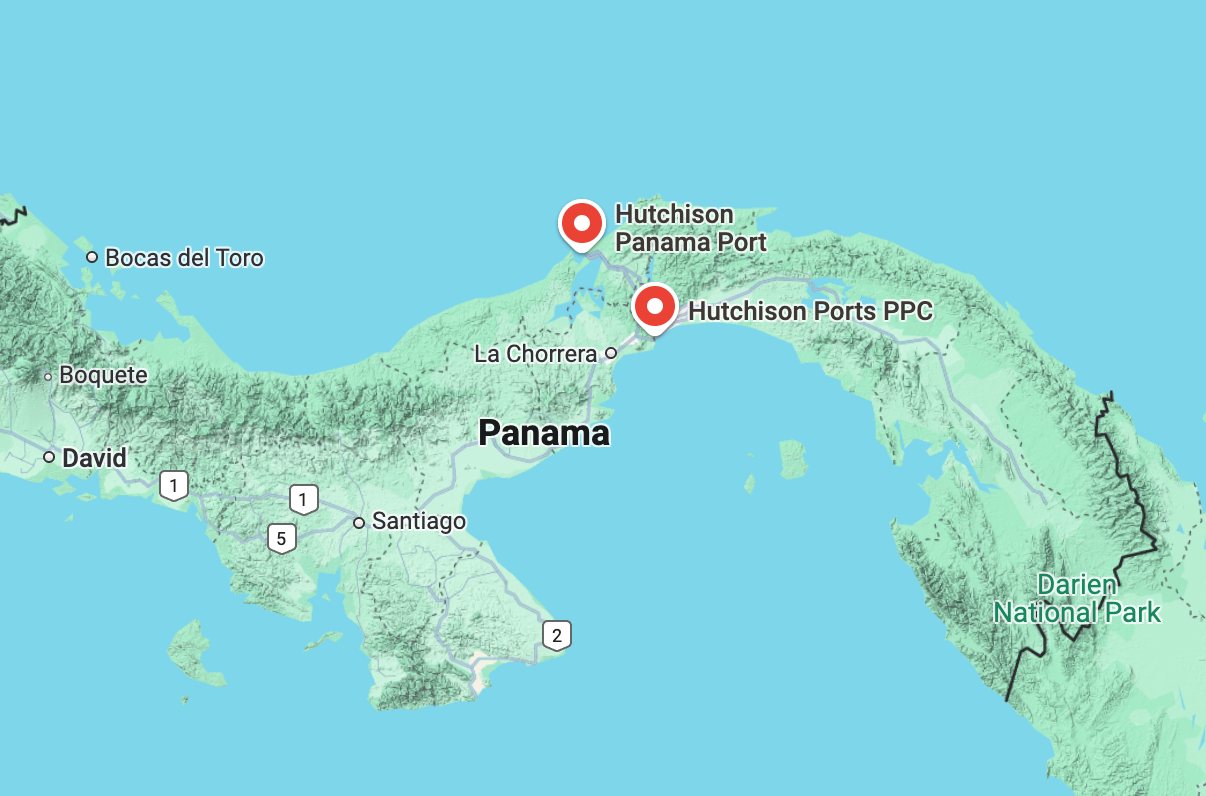
CK Hutchison, a Hong Kong-based conglomerate, has managed these Panamanian ports since the late 1990s. The sale comes as the company restructures its portfolio, refocusing its business priorities (Wall Street Journal). The final documentation for the Panama Ports Company transaction is expected to be signed on or before April 2, 2025, pending regulatory approvals and due diligence processes (Newsroom Panama).
The sale has drawn attention in U.S. political circles, with some leaders highlighting its impact on American influence in global trade. The U.S. government has previously scrutinized foreign ownership of critical trade assets, including the Panama Canal’s associated ports.
While the Panama Canal itself is operated by the Panama Canal Authority, an autonomous agency of the Panamanian government, the sale of port operations surrounding the canal to an American entity marks a significant shift in ownership of infrastructure tied to global trade.
Looking ahead, this deal raises important questions: Will more Chinese firms divest from global infrastructure under geopolitical pressure? How will BlackRock and its partners manage these strategic assets? And will U.S. involvement improve operational efficiency in Panama’s ports?
The Panama Canal is one of the most strategically important trade routes in the world, facilitating the movement of around 6% of global trade. Control over key logistics infrastructure surrounding the canal has long been a high-stakes geopolitical issue. With BlackRock taking over the ports from CK Hutchison, the U.S. gains greater indirect influence over this critical chokepoint.
This sale also fits into a larger pattern of Western governments pushing back against Chinese ownership of infrastructure assets. The U.S. has increasingly encouraged domestic and allied investment in strategic trade hubs, ports, and semiconductor supply chains to reduce reliance on Chinese-controlled logistics.
The family that owns CK felt pressured to sell due to increasing tension regarding the canal, the New York Times reported. For CK Hutchison, this sale potentially represents a lucrative divestment, providing a major cash injection. However, it also reflects a retreat of Chinese business influence from a crucial global logistics hub. CK Hutchison Holdings ADR jumped 29% over the last 5 days.
For BlackRock, this acquisition represents a long-term infrastructure investment aligned with rising demand for resilient supply chains. The company is not a traditional port operator, but its consortium partners, including MSC, bring the necessary operational expertise to manage these assets effectively. Blackrock's stock is up 1.75% over the last 5 days - it is typical for a acquirer stock to fall following an immediate acquisition announcement.
Goldman Sachs is currently the only investment bank working on the sale of CK Hutchison Holdings Ltd., reported by Bloomberg, a rare and lucrative opportunity for the bank.
While this acquisition gives BlackRock and its partners control over port operations, U.S. government policy toward global infrastructure investment remains inconsistent. There is a possibility that future administrations could alter regulations or apply additional scrutiny to such deals, affecting long-term profitability.
Additionally, there is no guarantee that U.S. ownership alone will improve port efficiency or resolve supply chain bottlenecks. The long-term success of this deal will depend on how well BlackRock and its partners manage these ports in an era of growing geopolitical competition and supply chain volatility.
This transaction marks a significant shift in global trade infrastructure ownership, moving critical Panama Canal port operations from a Hong Kong-based entity to an American-led consortium. It reflects wider geopolitical trends, where Western investors are increasingly stepping in to counterbalance Chinese influence in global logistics.
The broader implications of this deal will unfold over time, but one thing is clear: control over global trade infrastructure is now as much a geopolitical chess match as it is a business decision.
Subscribe to the free newsletter and get market intel delivered straight to your inbox.

